Best office cleaning for businesses in Barnet town centre
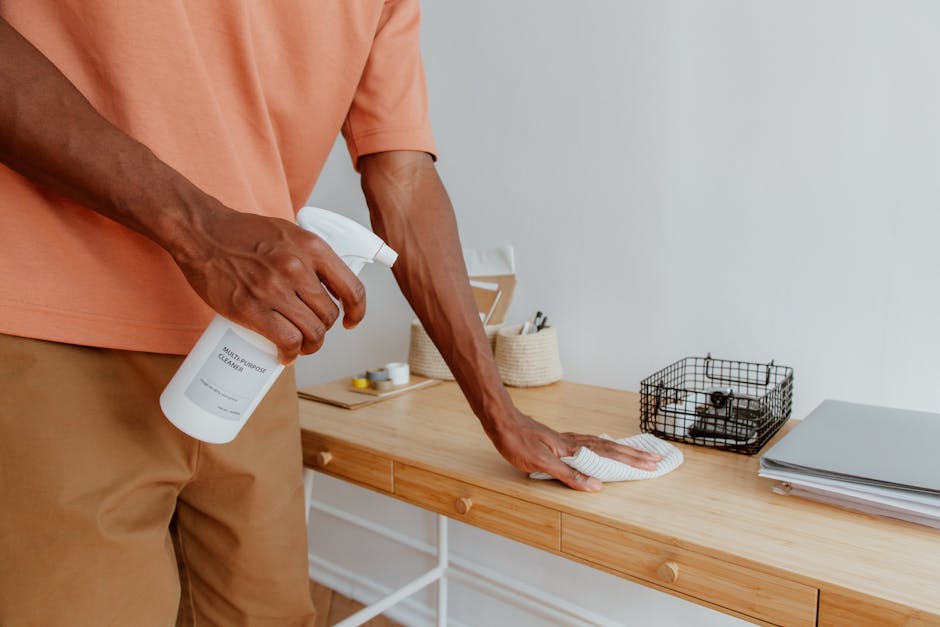
If you run a business in Barnet town centre, office cleanliness is not just about appearances. It affects first impressions, staff comfort, hygiene, and the way people feel the moment they walk through the door. A tidy reception, streak-free windows, fresh carpets, and properly sanitised high-touch areas all quietly tell visitors, clients, and your team that standards matter. And let's face it, in a busy central location, dirt builds up faster than most people expect.
The best office cleaning for businesses in Barnet town centre is the kind that fits real working life: flexible, reliable, discreet, and thorough enough to handle the everyday mess as well as the hidden bits people notice only when they stop and look. In this guide, you'll find what good office cleaning actually includes, how to choose the right approach, what to avoid, and how to build a cleaning routine that works without becoming another thing to manage.
To help you compare the essentials quickly, this article also covers practical checklists, a simple comparison table, compliance considerations, and a realistic example of how a local office can keep standards high without overcomplicating the process.
Why office cleaning matters in Barnet town centre
Barnet town centre has the kind of foot traffic that exposes a workplace fast. People come and go. Floors collect grit. Reception areas pick up fingerprints. Toilets need consistent attention. Kitchens can go from fine to slightly unpleasant in no time at all if nobody stays on top of them.
That matters for more than just aesthetics. A clean office supports morale, lowers the risk of unpleasant odours and hygiene issues, and gives clients a better sense of confidence in your business. If you host meetings, store documents, use shared workstations, or see visitors every day, office cleaning becomes part of how your business presents itself.
There is also a practical angle. Regular cleaning helps reduce wear on carpets, hard floors, desks, doors, and fixtures. Dust left to sit too long settles into corners, vents, and upholstery. Once that happens, cleaning becomes harder and, usually, more expensive. In other words, consistency pays.
For many local businesses, the sweet spot is a routine cleaning plan supported by targeted add-ons when needed. A standard service might be enough for daily upkeep, but a deeper refresh from time to time can make a remarkable difference, especially after busy periods or office reorganisations. If you are looking at broader commercial support, commercial cleaning can be a sensible starting point, while more focused support for work areas may sit alongside office cleaning for the parts of the premises that need closer attention.
Expert summary: the best office cleaning is not the most elaborate one; it is the one that is done consistently, at the right frequency, with clear standards and minimal disruption to the workday.
How office cleaning works in practice
Good office cleaning usually starts with a short assessment of the premises and the way the office is used. A small consultancy with a handful of desks will need something quite different from a busy shared office with a kitchen, two toilets, a reception area, and carpeted meeting rooms. Sounds obvious, but that one detail gets missed surprisingly often.
Once the layout and usage are clear, the cleaning schedule can be built around the spaces that need attention most often. For example, bins, washrooms, kitchens, and entrance areas generally need frequent care. Meeting rooms and private offices may need a slightly lighter touch but still benefit from dusting, sanitising, and spot cleaning. Carpets, hard floors, and windows often need more occasional specialist work.
In a typical setup, cleaners follow a task list that may include:
- emptying bins and replacing liners
- dusting desks, shelves, skirting, and ledges
- wiping down chairs, switches, handles, and shared touchpoints
- sanitising toilets, sinks, taps, and kitchen surfaces
- vacuuming carpets and mats
- mopping hard floors
- cleaning mirrors, glass partitions, and internal doors
- spot-treating stains or spills before they settle in
Depending on the property, extra services may be useful too. For example, offices with carpeted areas may benefit from commercial carpet cleaning, and buildings with lots of glass can be supported by window cleaning to keep natural light coming in cleanly rather than through that slightly grey haze London offices know too well.
The real key is coordination. A cleaner who knows the office routine can work around meetings, deliveries, and opening hours. That way, cleaning becomes invisible in the best possible sense: it happens without bothering anyone, yet the office always feels ready.
Key benefits and practical advantages
There are obvious benefits to keeping an office clean, but the less obvious ones are often where the value really shows up.
Better first impressions
Clients, suppliers, and candidates make quick judgments. A neat reception, clean floors, and fresh-smelling shared areas help the space feel organised and credible. You do not need luxury finishes to make a good impression; you just need the place to feel cared for.
Healthier day-to-day working conditions
Workplaces gather dust, crumbs, fingerprints, and germs in places people touch constantly. Regular cleaning helps manage that buildup and keeps shared environments more comfortable. In winter especially, when windows stay shut and the heating is on, you notice stale air and dust more quickly.
Longer life for surfaces and furnishings
Carpets, upholstery, hard floors, and blinds all last longer when they are cleaned properly. Dirt acts like grit. It rubs, scratches, and dulls finishes over time. A simple routine now is often cheaper than repairs later.
Less disruption
When cleaning is organised well, staff spend less time tidying up around it. That can sound minor, but over a month it adds up. Good office cleaning keeps small messes from becoming big jobs.
Flexible support for changing needs
Businesses do not stay still. One week may be calm, the next may involve visitors, interviews, deadlines, or a product launch. A flexible service lets you scale up for a deep clean or scale back to routine maintenance when the pace is steadier. If your office has had building work, a more intensive deep cleaning session may be worth considering, especially if dust has settled into awkward corners or shared spaces.
Who this is for and when it makes sense
This kind of cleaning makes sense for a wide range of businesses in and around Barnet town centre. You will usually benefit if your office sees regular visitors, uses shared facilities, or has staff working on-site for most of the day.
- Professional offices: accountancy firms, consultancies, recruiters, legal practices, and admin teams often need reliable daily or weekly upkeep.
- Shared or serviced workspaces: these spaces depend on clear routines because more people use the same desks, kitchens, and toilets.
- Retail offices and back-of-house areas: premises that blend customer-facing and staff-only zones can get messy in odd places, quickly.
- Medical, wellbeing, and care-adjacent settings: these spaces usually need especially careful hygiene routines and sensible scheduling.
- Smaller local businesses: even a modest office can feel messy if cleaning is sporadic.
It also makes sense after changes: staff growth, a move, a refit, a lease handover, or a run of busy trading days. Truth be told, many businesses do not notice how much a space has slipped until someone new walks in and asks, "Has it always been like this?" That question tends to sharpen the senses.
If the office is brand new to you, or you are preparing for occupation, combining cleaning with move in cleaning can help create a better starting point. And if you are stepping out of a space, move out cleaning can help leave the premises in better shape for handover.
Step-by-step guidance
If you want office cleaning to work properly, break it into a simple process. No drama. Just clear decisions.
- Walk through the space. Note high-traffic areas, dusty zones, kitchen habits, bin locations, and any awkward surfaces.
- List priorities. Reception, washrooms, kitchens, desks, floors, glass, and touchpoints usually come first.
- Set frequency by room. Some areas need daily attention, while others only need weekly or monthly care.
- Choose what is included. Decide whether the job includes dusting screens, wiping keyboards, cleaning internal windows, or specialist tasks.
- Agree access and timings. The cleaner should know when staff are present, where alarms are, and how to handle keys or codes.
- Confirm standards. "Clean" means different things to different people, so spell out expected results.
- Review after the first visits. A small tweak early on can save a lot of annoyance later.
That review stage is underrated. Very underrated. A business may think the service is wrong when actually the instructions were just a bit too broad. One office wants immaculate screens and spotless skirting. Another cares more about bins, bathrooms, and kitchen hygiene. Both are valid, but they are not the same job.
If the office has carpets that see heavy footfall, you might also want occasional steam carpet cleaning to lift embedded dirt and refresh the fibres properly. It is the sort of thing people notice immediately when they step through the door on a wet Monday morning.
Expert tips for better results
A good cleaning routine becomes a great one when the small details are handled well.
- Use a realistic schedule. Over-promising leads to missed tasks, and missed tasks become habits.
- Separate daily, weekly, and monthly tasks. This stops the cleaner from spending all their time on the same visible areas while hidden grime builds up elsewhere.
- Give special attention to touchpoints. Door handles, light switches, taps, kettles, microwaves, and shared equipment deserve regular sanitising.
- Protect the floor plan. Matting at entrances and proper floor care reduce grit being dragged across the office.
- Keep cleaning supplies organised. If supplies are stored badly, time gets wasted and the whole routine turns clumsy.
- Look after the kitchen. Offices often stay visually fine right up until the shared fridge or sink starts to smell a bit off. That's usually the warning sign.
One practical tip many businesses appreciate: place a simple internal checklist near the facilities cupboard or kitchen noticeboard. It helps staff see what has been done and what still needs attention. Nothing fancy. Just enough to keep things aligned.
If your office has upholstered meeting chairs or soft seating in reception, occasional upholstery cleaning can make the whole space feel fresher. Similarly, businesses with fabric seating in waiting areas may benefit from sofa cleaning if the furniture is part of the customer experience.
Common mistakes to avoid
Let's be honest, most cleaning problems do not come from one big failure. They come from a handful of small mistakes repeated for weeks.
- Being vague about scope. If tasks are not defined properly, important areas get skipped.
- Choosing only on price. The cheapest quote can be costly if it leaves gaps, causes disruption, or needs constant chasing.
- Ignoring access needs. If cleaners cannot get in, they cannot clean. Simple as that.
- Forgetting specialist areas. Carpets, glass, hard floors, and upholstery need more than a quick once-over.
- Not reviewing the work. A short check-in early on can prevent weeks of quiet frustration.
- Skipping contingency planning. If a staff illness wave, event, or office move happens, the plan should flex.
Another common problem is trying to make one cleaning routine do everything. It rarely works. A daily wipe-down is not a replacement for periodic deep cleaning, and a one-off refresh is not enough to keep a working office in good shape all year.
For offices near busy streets, entrance mats and regular hard floor cleaning can be especially useful because fine grit and moisture get tracked in fast. A little prevention goes a long way, really.
Tools, resources and recommendations
You do not need a warehouse full of products to run an effective office cleaning programme. What you do need is the right mix of equipment, planning, and discipline.
| Area | Best approach | Why it works |
|---|---|---|
| Reception | Dusting, disinfecting touchpoints, glass care | Creates a sharp first impression and keeps high-contact surfaces tidy |
| Desks and workstations | Wipe-downs, sanitising, careful dust removal | Supports a more comfortable day-to-day work environment |
| Toilets | Focused daily cleaning and restocking | Maintains hygiene and avoids complaints quickly |
| Kitchens | Surface cleaning, appliance touchpoints, waste care | Controls odours and keeps shared spaces pleasant |
| Floors | Vacuuming, mopping, spot treatment | Reduces visible dirt and extends floor life |
Useful services to consider alongside routine office cleaning include carpet cleaning for heavily used textiles, stain removal for the inevitable tea spill or chair mark, and window cleaning where natural light and presentation matter. If the space has recently been renovated or fitted out, after builders cleaning can be the right reset before normal office maintenance begins.
For businesses that care about supplier standards as much as cleaning outcomes, it is worth checking practical pages like health and safety policy, insurance and safety, and recycling and sustainability. They help you understand how a provider thinks about risk, responsibility, and waste handling. Not glamorous, but important.
Law, compliance, standards and best practice
Office cleaning in the UK sits alongside several basic business responsibilities, especially around safety, hygiene, access, waste handling, and sensible use of cleaning chemicals. The exact duties depend on the premises and the work carried out there, so it is wise to treat compliance as a practical habit rather than a one-time checkbox.
For most businesses, good practice means:
- making sure cleaning methods do not create hazards for staff or visitors
- storing equipment and chemicals safely
- keeping walkways clear during and after cleaning
- using appropriate products for the surface being cleaned
- maintaining decent records for service schedules or incidents where needed
- being clear on who has access to the office and when
Insurance matters too. If a provider is working in your premises, it is sensible to understand how liability is handled and what safety measures are in place. You do not need to become a compliance expert overnight, but you should know who is responsible for what.
There are also wider business practices worth considering, such as fair labour standards, supplier transparency, and privacy. If cleaners are operating in spaces where confidential information may be visible, the office should have sensible procedures in place. No one wants papers left out or screens left open unnecessarily. It is a small thing, yet it matters.
If you want to understand the provider side of things more closely, pages such as about us, terms and conditions, privacy policy, and payment and security can help you see how a business approaches trust, service boundaries, and practical arrangements.
Options, methods and comparison table
Different offices need different levels of support. The main choice is usually between light routine cleaning, more structured regular cleaning, and deeper periodic cleaning. Here is a simple comparison to help you think it through.
| Method | Best for | Strengths | Limitations |
|---|---|---|---|
| Routine office cleaning | Daily or weekly maintenance | Keeps the workplace presentable and manageable | May not tackle deeper dirt or worn-in stains |
| Regular cleaning | Ongoing scheduled care across a longer period | Predictable, consistent, easier to budget | Needs clear scope to avoid drift |
| Deep cleaning | Seasonal refresh, post-event reset, problem areas | Targets buildup, hidden dirt, and neglected corners | Not a substitute for routine upkeep |
| Specialist add-ons | Carpets, floors, windows, upholstery | Improves specific problem areas with better results | Needs coordination and occasional planning |
In practice, many businesses use a mixed approach. A sensible routine cleaning schedule keeps the office under control, while specialist services are brought in for periodic work. That blend often gives the best value because it focuses money where it actually makes a difference.
For example, a town-centre office might keep daily cleaning for kitchens, toilets, and bins, then book periodic support for regular cleaning arrangements and occasional carpet or window work. Simple, flexible, effective. Not perfect perhaps, but very workable.
Case study or real-world example
Imagine a small professional office near Barnet town centre with eight staff, a reception desk, one shared kitchen, two toilets, and a carpeted meeting room. At first, the team tries to manage with staff tidying as they go. It works for a bit. Then the dust settles on the skirting, the kitchen sink starts to look tired by Thursday, and the meeting room carpet begins to hold onto foot traffic marks after rainy days.
The business then sets a clearer cleaning routine. Reception and toilets are handled frequently. The kitchen gets a proper wipe-down at the end of the day. High-touch points are sanitised. The carpet is looked after more carefully, and windows are cleaned when they start to dull the room. Over a few weeks, the office feels brighter, calmer, and more settled.
Nothing dramatic happened. That is the point. Good office cleaning usually does not shout. It quietly removes friction from the day.
The team also notices fewer complaints about smells from the kitchen, less dust on monitors, and a better feeling when clients arrive for meetings. One manager joked that the office had gone from "slightly lived-in" to "actually ready," which, to be fair, is often the real aim.
For spaces with heavy use or mixed surfaces, specialist help with commercial cleaning and commercial carpet cleaning can make the routine easier to sustain. That is especially true when there are visitors, client meetings, or shared areas that need to look sharp without a lot of fuss.
Practical checklist
Use this checklist when reviewing your office cleaning setup:
- Have we identified the busiest areas and highest-touch surfaces?
- Do we know which tasks must be done daily, weekly, and monthly?
- Are toilets, kitchen areas, and bins being prioritised properly?
- Have we agreed access, timings, and any security requirements?
- Is there a clear standard for carpets, floors, and windows?
- Do we need any specialist services such as steam cleaning or stain removal?
- Have we checked insurance, safety, and working practices?
- Do staff know who to contact if something is missed or needs attention?
- Is the current plan flexible enough for busy periods or office changes?
- Have we reviewed the arrangement after the first few visits?
If you can answer most of those with confidence, you are in a strong place. If not, that is fine too. It just means the plan needs tightening a little.
Conclusion
The best office cleaning for businesses in Barnet town centre is the kind that fits your building, your schedule, and the way your team actually works. It keeps the space professional without creating noise or disruption, and it tackles the places that matter most before they become a problem.
When the cleaning plan is clear, consistent, and tailored to your premises, the office feels easier to run. People notice it, even if they do not say so. Clients see it. Staff feel it. And you spend less time dealing with little issues that should never have become issues in the first place.
If you are comparing options, look beyond the surface shine. Ask about scope, frequency, flexibility, and the practical standards behind the service. That is where the real value lives.
Get a free quote today and see how much you can save.
And if you are ready to make the office feel calmer, cleaner, and properly looked after, that is a good place to start. Small improvements stack up. They always do.
Frequently Asked Questions
What is included in office cleaning for a Barnet town centre business?
Typical office cleaning includes dusting, vacuuming, mopping, bin emptying, kitchen surface cleaning, toilet sanitation, and touchpoint cleaning. The exact scope should be agreed in advance so nothing important gets missed.
How often should an office in Barnet town centre be cleaned?
It depends on traffic and use. Busy offices usually need daily cleaning for washrooms, kitchens, and bins, while quieter spaces may only need a few visits a week. Regular review helps keep the schedule realistic.
Is deep cleaning necessary if we already have regular office cleaning?
Yes, often it is. Regular cleaning handles day-to-day upkeep, while deep cleaning tackles built-up dirt, awkward corners, and areas that need a more thorough reset. The two work best together.
What should I ask before hiring an office cleaner?
Ask what is included, how often they recommend cleaning, what access they need, whether they carry insurance, how they handle issues, and how they work around staff and visitors. Clear answers usually mean a more organised service.
Can office cleaning be done outside working hours?
Yes, and in many cases that is the easiest option. Evening or early-morning cleaning reduces disruption and lets the team arrive to a fresh workspace. It is often the least awkward arrangement, frankly.
How do I keep cleaning consistent across the whole office?
Use a task list with daily, weekly, and monthly items. That keeps the cleaner focused on the right areas and stops visible spaces from getting all the attention while hidden areas get forgotten.
What are the most commonly missed areas in office cleaning?
Skirting boards, door handles, kitchen appliances, the tops of cabinets, chair arms, internal glass, and under desks often get overlooked. These are the places that quietly make a room feel dirty even when the office looks tidy at first glance.
Do I need specialist carpet cleaning for an office?
If the office has heavy footfall, coffee spills, or visible wear, specialist carpet cleaning can help a lot. It refreshes the fibres and can make a room look cleaner overall, not just the floor itself.
How can I tell if my current office cleaning is good enough?
Look for consistency. Are bins emptied properly, are toilets reliably fresh, are shared areas tidy, and are complaints rare? If the same issues keep returning, the schedule or scope probably needs adjusting.
What's the difference between office cleaning and commercial cleaning?
Office cleaning focuses on workspaces, desks, meeting rooms, kitchens, and toilets within an office environment. Commercial cleaning is broader and can cover a wider range of business premises. In many cases, they overlap, but the service shape is not always identical.
Is it worth booking window cleaning for an office in Barnet town centre?
Usually yes, especially if the office has glass frontage, meeting rooms with windows, or a reception area that relies on natural light. Clean windows can make the whole building feel brighter and more polished.
What if my office needs cleaning after refurbishment or building work?
A post-refurbishment reset is often best handled as an after builders clean before routine office cleaning begins. Dust from building work is fine, persistent, and gets into places you would not expect. It needs a proper clear-out.
If you want support beyond the basics, start with the service pages that match your space and then build a cleaning plan around them. That way the office gets the right level of care without overcomplicating things. Nice and steady usually wins.